


.webp)
.webp)

San Marcos Homes: Filtering for a Fresher Future
Discover the benefits of home water filtration in San Marcos, CA. Improve water quality, protect appliances, and ensure a healthier home.

Why Clean Water Matters for Your San Marcos Home
Home water filtration in san marcos, ca is becoming essential for families concerned about what's flowing from their taps. San Marcos water typically measures around 16 grains per gallon of hardness—well above the 7-grain threshold that defines "very hard" water. This mineral-heavy water can leave spots on dishes, dry out skin, and quietly damage pipes and appliances. Beyond hardness, municipal water can carry chlorine, sediment, and other substances that affect taste and quality. A proper filtration system addresses these issues at the source, protecting both your family's health and your home's infrastructure.
Quick Overview: Home Water Filtration Options for San Marcos Residents
- Water Softeners - Remove calcium and magnesium through ion exchange; prevent scale buildup
- Activated Carbon Filters - Reduce chlorine, improve taste and odor; capture sediment
- Reverse Osmosis Systems - Remove up to 99% of contaminants including heavy metals and bacteria
- Whole-House Systems - Treat all water entering your home at the main line
- Under-Sink Systems - Target drinking and cooking water at specific faucets
For comprehensive plumbing solutions beyond filtration, check out our residential plumbing services in San Marcos, or if you're ready to improve your water quality today, explore our water filtration options.
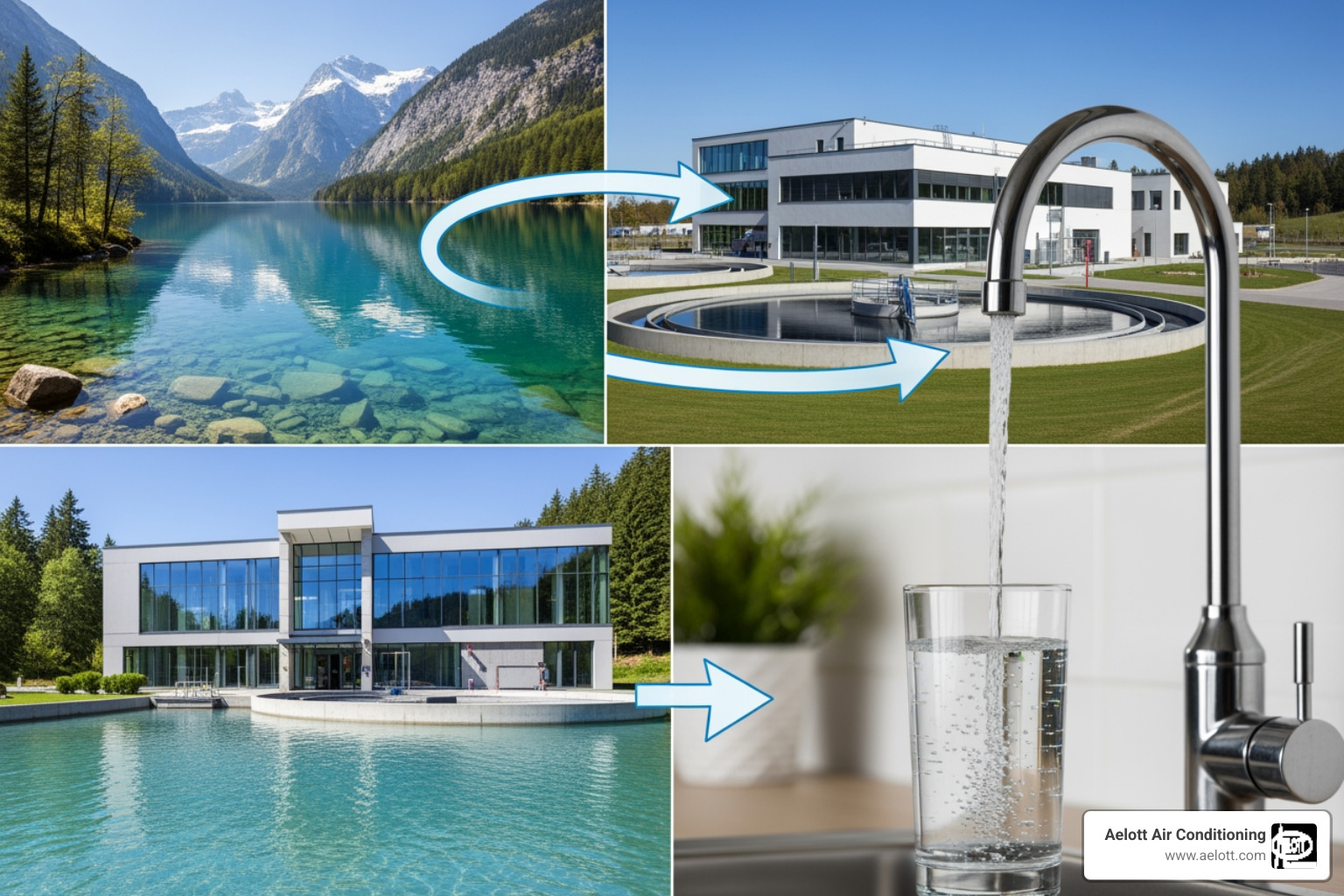
What's in Your Water? A Look at San Marcos Water Quality
If you've noticed crusty white deposits on your faucets or felt like your skin never quite feels clean after a shower, you're not imagining things. San Marcos water comes with a hefty mineral load—about 16 grains per gallon, to be exact. That might sound like technical jargon, but here's what matters: anything above 7 grains officially qualifies as "very hard" water. We're more than double that threshold.
Those minerals—primarily calcium and magnesium—are the culprits behind the stubborn scale buildup on your showerheads, the spotty film on your glassware, and that less-than-luxurious feeling your hair has after washing. Hard water doesn't just affect how things look and feel, though. It's quietly working behind the scenes, impacting your home's plumbing and appliances in ways you might not notice until something breaks down.
For a general sense of municipal water quality reporting, you can review a sample report here. Though, that this gives you a broad overview. For specific information about what's flowing through your pipes, we always recommend getting a personalized water quality test for your home.
The Impact of Hard Water on Your Home
That 16 grains per gallon isn't just a statistic—it's a daily challenge for every pipe, appliance, and fixture in your home. As water flows through your plumbing, those dissolved minerals gradually build up, forming crusty deposits called scale. Think of it like cholesterol in arteries, except it's happening to your pipes and water heater.
Scale buildup narrows your pipes, reducing water pressure throughout your home. You might notice weaker flow from your showerhead or faucets that seem to take forever to fill a pot. Inside your water heater, scale acts like a thick blanket, forcing the unit to work harder and use more energy to heat water. Your utility bills creep up, and the heater itself wears out years earlier than it should. If you're already dealing with water heater problems, our team can help with water heater repair in San Marcos.
Your dishwasher and washing machine aren't spared either. They struggle against mineral deposits, working overtime and burning out faster. Despite your best efforts, dishes emerge with cloudy spots, and laundry feels stiff or looks faded. You end up using more detergent just to get things reasonably clean.
Then there's the personal impact. Hard water prevents soap from lathering properly and leaves behind a residue on your skin and hair. That film strips away natural oils, leaving you with dry, itchy skin and hair that feels dull no matter what products you use. It's frustrating, and it's expensive—both in terms of products you buy to compensate and the long-term damage to your home.
Common Contaminants Beyond Hardness
Hard water gets most of the attention in San Marcos, but it's not the only thing worth considering when it comes to home water filtration in san marcos, ca. Municipal water treatment includes disinfection processes that keep water safe from harmful bacteria and viruses—an absolute necessity. However, these processes can introduce their own issues.
Chlorine, the most common disinfectant, does its job well but leaves behind a distinct taste and odor that many people find unpleasant. You might notice it especially when filling a glass of water or brewing coffee. Sediment—tiny particles of rust, dirt, or other debris—can also sneak into your water supply, affecting clarity and potentially scratching fixtures or clogging aerators.
Beyond these everyday concerns, it's worth knowing about the broader range of substances that can appear in municipal water supplies. Various monitoring reports have identified potential contaminants in water systems across the country, including arsenic, chloroform, chromium-6, HAA5 (haloacetic acids), nitrates, radium, and TTHMs (total trihalomethanes). These are disinfection byproducts and naturally occurring substances that can vary depending on water sources and treatment methods.
We're not trying to alarm you—San Marcos water meets federal safety standards. But every home's water is unique, influenced by factors like your specific neighborhood's pipes, the age of your plumbing, and the condition of your water heater. That's exactly why regular water quality testing is so valuable. A professional test gives you a clear, accurate picture of what's actually in your water, providing peace of mind and helping you choose the most effective filtration solution for your family's specific needs.
Decoding Water Treatment: Filters, Purifiers, and Softeners
When you start looking into water treatment options, it's easy to feel overwhelmed by the terminology. Filters, purifiers, softeners—what's the difference, and which one do you actually need? The truth is, each system tackles different water quality issues, and understanding these differences helps you make the right choice for your home. Often, the best home water filtration in San Marcos, CA combines more than one technology to address our unique water challenges.
Let's break down what each system does:
| System Type | What They Primarily Remove | Primary Use | Typical Maintenance |
|---|---|---|---|
| Water Filters | Sediment, chlorine, volatile organic compounds (VOCs), odors | Improve taste/smell, basic contaminant reduction | Cartridge replacement every 3-6 months |
| Water Purifiers | Bacteria, viruses, heavy metals, dissolved solids, nitrates, arsenic | High-purity drinking water | RO membrane replacement every 3-5 years, pre-filters annually |
| Water Softeners | Calcium, magnesium (hardness minerals) | Prevent scale buildup, protect appliances/plumbing | Salt replenishment, periodic cleaning/servicing |
Water Filters: The First Line of Defense
Think of water filters as your home's first line of defense against everyday water quality issues. These systems work by physically blocking or chemically absorbing unwanted particles and substances before they reach your faucet.
Activated carbon filters are particularly effective at improving taste and odor. The carbon's porous surface acts like a sponge, capturing chlorine and many volatile organic compounds that can make your water smell or taste unpleasant. If you've ever noticed that swimming pool smell in your tap water, an activated carbon filter can make a world of difference.
Sediment filters tackle the visible stuff—dirt, rust, and sand particles that can cloud your water or scratch fixtures. These filters often serve as the first stage in a multi-stage system, catching larger particles before they can clog more delicate components downstream.
You'll find water filters in point-of-use systems like pitcher filters or faucet-mounted units, as well as in whole-house configurations that treat all the water entering your home.
Water Purifiers: For Ultimate Purity
When you want the cleanest possible drinking water, you need a water purifier. These systems go beyond basic filtration to remove even microscopic contaminants that other systems might miss. The gold standard for water purification is reverse osmosis, commonly called RO.
Here's how it works: water is forced through a semi-permeable membrane with incredibly tiny pores. Water molecules squeeze through, but larger molecules like dissolved salts, minerals, and heavy metals get left behind. We're talking about removing lead, arsenic, fluoride, and even some bacteria and viruses. A quality RO system can remove up to 99% of contaminants, giving you water that's as pure as it gets.
Most RO systems install under the sink and connect to a dedicated faucet, providing purified water right where you need it most—for drinking and cooking. If you're considering an RO installation and need professional plumbing services in San Marcos, our team can help ensure everything is set up correctly.
Water Softeners: The Solution to Hard Water
Given San Marcos's notably hard water at 16 grains per gallon, a water softener isn't just nice to have—it's practically essential for protecting your home. Unlike filters or purifiers that remove contaminants, water softeners specifically target the minerals responsible for hardness: calcium and magnesium.
The process is called ion exchange, and it's pretty clever. Inside the softener tank sit resin beads charged with sodium ions. When hard water flows through, the calcium and magnesium ions swap places with the sodium ions on the resin. The softened water continues to your faucets, while the hardness minerals stay behind, stuck to the resin. Every so often, the system flushes itself with a salt solution to wash away the accumulated minerals and recharge the resin beads.
For San Marcos homes, the benefits are substantial. Softened water prevents scale buildup in your pipes, keeping water pressure strong and your plumbing system healthy. It protects appliances like dishwashers, washing machines, and water heaters from damaging deposits, helping them run more efficiently and last longer. Your skin and hair feel softer because soap rinses cleanly instead of leaving behind a filmy residue. Dishes sparkle without spots, and laundry comes out brighter and softer.
The difference between living with hard water and soft water is something you notice every single day—from your morning shower to your evening dishes. It's one of those upgrades that quickly becomes indispensable.
The Lasting Advantages of Home Water Filtration in San Marcos, CA
Choosing home water filtration in San Marcos, CA isn't just about fixing a problem today—it's about creating a healthier, more comfortable home for years to come. The ripple effects of cleaner water touch every corner of your daily life, from the morning shower to the evening dishes, and even the long-term value of your property.
Health and Wellness Benefits
Let's start with what matters most: your family's wellbeing. When you filter your water, you're actively reducing exposure to substances that don't belong in your drinking glass. Safer drinking water means fewer worries about chlorine, heavy metals, and other impurities that can affect both immediate comfort and long-term health.
The difference shows up in unexpected ways. Many San Marcos families notice improved skin and hair health within weeks of installing a filtration system. Without hard water minerals and chlorine stripping away natural oils, skin feels softer and less irritated. Hair becomes shinier and more manageable. It's one of those changes you don't fully appreciate until you experience it yourself.
And then there's taste. When your water is truly clean, everything tastes better. Your morning coffee becomes richer. Your cooking water doesn't add off-flavors to pasta or rice. Better tasting water for cooking and drinking transforms something you do dozens of times a day into a genuinely pleasant experience. Many homeowners tell us they've completely stopped buying bottled water—not just to save money, but because their tap water finally tastes as good or better.
Protecting Your Home and Appliances
Your home is likely your largest investment, and water quality plays a surprisingly big role in protecting that investment. Hard water and contaminants wage a quiet war against your plumbing and appliances, one that most homeowners don't notice until something breaks.
Preventing scale buildup is perhaps the most valuable benefit for San Marcos residents. Those calcium and magnesium deposits don't just make your showerhead look crusty—they're coating the inside of your pipes, narrowing them bit by bit. They're forming an insulating layer on your water heater's heating element, forcing it to work harder and use more energy. Filtered and softened water stops this process entirely.
The result? Extending the lifespan of dishwashers, washing machines, and especially water heaters becomes automatic. These appliances run more efficiently, break down less often, and last years longer than they would battling hard water. If you're considering a new unit, our team can help with water heater installation in San Marcos, and proper filtration will help that investment pay off for years.
Protecting pipes means maintaining consistent water pressure throughout your home and avoiding the costly repairs that come with corroded or clogged plumbing. It's preventative maintenance that happens automatically, every time you turn on a faucet.
Environmental and Financial Savings
Here's where doing the right thing for your family also means doing the right thing for your wallet and the planet. The average person using a reverse osmosis system can eliminate 1,460 plastic bottles annually—just one person! Multiply that by your entire household, and you're talking about a significant reduction in plastic waste heading to landfills.
Saving money on bottled water adds up faster than most people realize. Those weekly trips to buy cases of water, the storage space they take up, the recycling hassle—all of it disappears when you have unlimited clean water on tap. The convenience alone is worth celebrating, but the financial savings make it even sweeter.
Beyond your personal budget, choosing home water filtration in San Marcos, CA supports genuine sustainability. You're reducing the energy and resources needed to manufacture, transport, and dispose of all those plastic bottles. Your carbon footprint shrinks without requiring any extra effort on your part. It's one of those rare situations where the easier choice is also the more responsible one.
Your Guide to Choosing and Maintaining a System
Selecting the right home water filtration in San Marcos, CA isn't like picking out a new appliance from a catalog. Your water is unique, your home's needs are specific, and the solution that works perfectly for your neighbor might not be ideal for you. That's why this process begins with understanding exactly what you're dealing with—and a little professional guidance goes a long way.
Why a Water Quality Test is Essential for your home water filtration in San Marcos, CA
Here's the truth: without a professional water quality test, you're essentially flying blind. You might know your water tastes off or leaves spots on your dishes, but that doesn't tell you why. Is it just hardness? Is chlorine the main culprit? Are there heavy metals lurking that you can't taste or see?
A comprehensive water quality test cuts through the guesswork. It identifies specific contaminants in your water—whether that's our notorious hardness minerals, chlorine, sediment, heavy metals, or other substances that shouldn't be there. Once you have that clear picture, you can tailor the solution to address your actual water challenges, not just what you think might be wrong.
This approach ensures effectiveness because you're matching the right technology to the right problem. It also helps you avoid one-size-fits-all systems that might miss the mark entirely. Maybe you don't need a whole-house RO system if your main issue is hardness and chlorine. Or perhaps that simple carbon filter won't cut it if your test reveals heavy metals. The test tells you exactly what you need, saving you money and ensuring your family gets the protection they deserve.
Whole-House vs. Under-Sink: Which is Right for You?
Once you know what's in your water, the next question is where you want to treat it. Do you want every drop of water in your home filtered, or are you primarily concerned about what you drink and cook with? Both approaches have their place, and many San Marcos families find that combining them offers the best overall solution.
Whole-house systems, also called point-of-entry systems, are installed where your main water line enters your home. Think of it as treating your water at the source—before it branches off to every faucet, shower, and appliance. This means comprehensive protection throughout your entire home. Your showers feel softer, your appliances are protected from scale, and every tap delivers filtered water. For homes dealing with San Marcos's hard water, a whole-house water softener can be a game-changer, protecting everything from your water heater to your showerheads. The trade-off? These systems typically have a higher initial cost and may need more installation space, and they generally don't offer the ultra-high purification level of dedicated drinking water systems.
Under-sink systems, or point-of-use systems, take a different approach. Installed at specific faucets—usually in your kitchen—they focus on delivering highly purified water right where you need it most: for drinking and cooking. A reverse osmosis system under your sink can remove up to 99% of contaminants, giving you water that rivals any bottled brand. These systems have a lower initial cost, are easier to install, and dramatically reduce plastic bottle waste. The catch? They only treat water at that specific tap, so they won't help with your shower experience or protect your dishwasher.
For many San Marcos homeowners, the winning combination is a whole-house water softener paired with an under-sink RO system. The softener tackles our hard water throughout the home, protecting appliances and making daily living more comfortable, while the RO system ensures your family has the purest possible drinking water.
General Maintenance for Lasting Performance
Here's something worth remembering: even the best water filtration system needs a little care to keep performing at its best. Think of it like your car—regular oil changes keep it running smoothly for years. Water filtration systems are similar, and the maintenance is actually quite straightforward.
Filter cartridge replacement is the most common task. For sediment and carbon filters, you'll typically need to swap in fresh cartridges every three to six months, depending on your water quality and how much water you use. Most homeowners can handle this themselves—it's usually as simple as twisting off the old cartridge and screwing in a new one.
If you have a reverse osmosis system, the RO membrane itself is more durable, generally lasting three to five years. However, the pre-filters in the system should be changed annually to protect that membrane and keep everything working efficiently.
For salt-based water softeners, you'll need to keep an eye on the salt level in the brine tank and add salt pellets as needed. How often depends on your water usage and hardness levels, but most homeowners check it monthly and refill when it's running low.
When you're unsure about any maintenance task, or if you simply prefer having a professional handle it, professional service ensures everything stays in top shape. Just like we provide HVAC maintenance in San Marcos to keep your heating and cooling systems running smoothly, regular professional check-ups on your water filtration system give you peace of mind that your family's water quality is protected year-round.
Conclusion
When you turn on a faucet in your San Marcos home, you deserve to feel confident about what's flowing out. Throughout this guide, we've explored how home water filtration in San Marcos, CA addresses the real challenges our local water presents—from that stubborn hard water at 16 grains per gallon to chlorine, sediment, and other contaminants that can affect your family's health and your home's infrastructure.
The right filtration system does more than just improve taste. It protects your investment by preventing scale buildup that clogs pipes and shortens appliance lifespans. It safeguards your family's wellness by reducing exposure to unwanted substances. And it contributes to a more sustainable lifestyle by eliminating the need for countless plastic water bottles. Whether you choose a whole-house system to protect every tap and appliance, an under-sink reverse osmosis unit for ultra-pure drinking water, or a combination of both, you're making a choice that pays dividends in comfort, health, and peace of mind.
At Aelott Air Conditioning, we've been serving San Marcos and the surrounding areas since 1963. While we're known for our HVAC expertise, we understand that home comfort extends to every aspect of your living environment—including the quality of your water. We're here to provide honest guidance, professional installation, and reliable maintenance, backed by our 100% satisfaction guarantee.
Take the first step toward purer water in your San Marcos home by exploring your options. A simple water quality test can reveal exactly what your home needs, and our experienced team will help you find the perfect solution. Your family deserves clean, healthy water—and we're ready to make that happen.
Other Blogs

Customer Testimonials
Go With Experience

This company has been providing HVAC services to my family for over 40 years! We have a lot of confidence and trust in them. Receptionist is also very nice and responsive. Helps to be an established customer.

The technician, Terry, who came to our house was very professional. Answered all of our questions. Explain to us areas of concern. Provided us with solutions.
I had a great experience purchasing a new circuit board for my Carrier system. Doug was knowledgeable, friendly, and helpful and Aelott was able to help quickly and efficiently. Many thanks to the whole Aelott team!
The team goes a great job on servicing my 4 systems in our building. We did a remodel at my house and did a great job re-routing and re-balancing the systems. Highly recommend the company. For service or replacement.
Doug with Aelott was very polite and very knowledgeable. He explained the current status of my forced air ducts and it’s related equipment. I would highly recommend Aelott Heating and Air to others.

HVAC Financing Available!
Get 0% Financing for 12 Months with Deferred Interest! Enjoy no payments and no interest on select plans.


Latest Blogs

.avif)
How to Run Your Furnace Efficiently: A Guide to Staying Warm This Winter
